Experience length
Allow around 2–3 hours including official transfers and check-in; current formats can vary.
Explore AlUla · Dadan & Jabal Ikmah
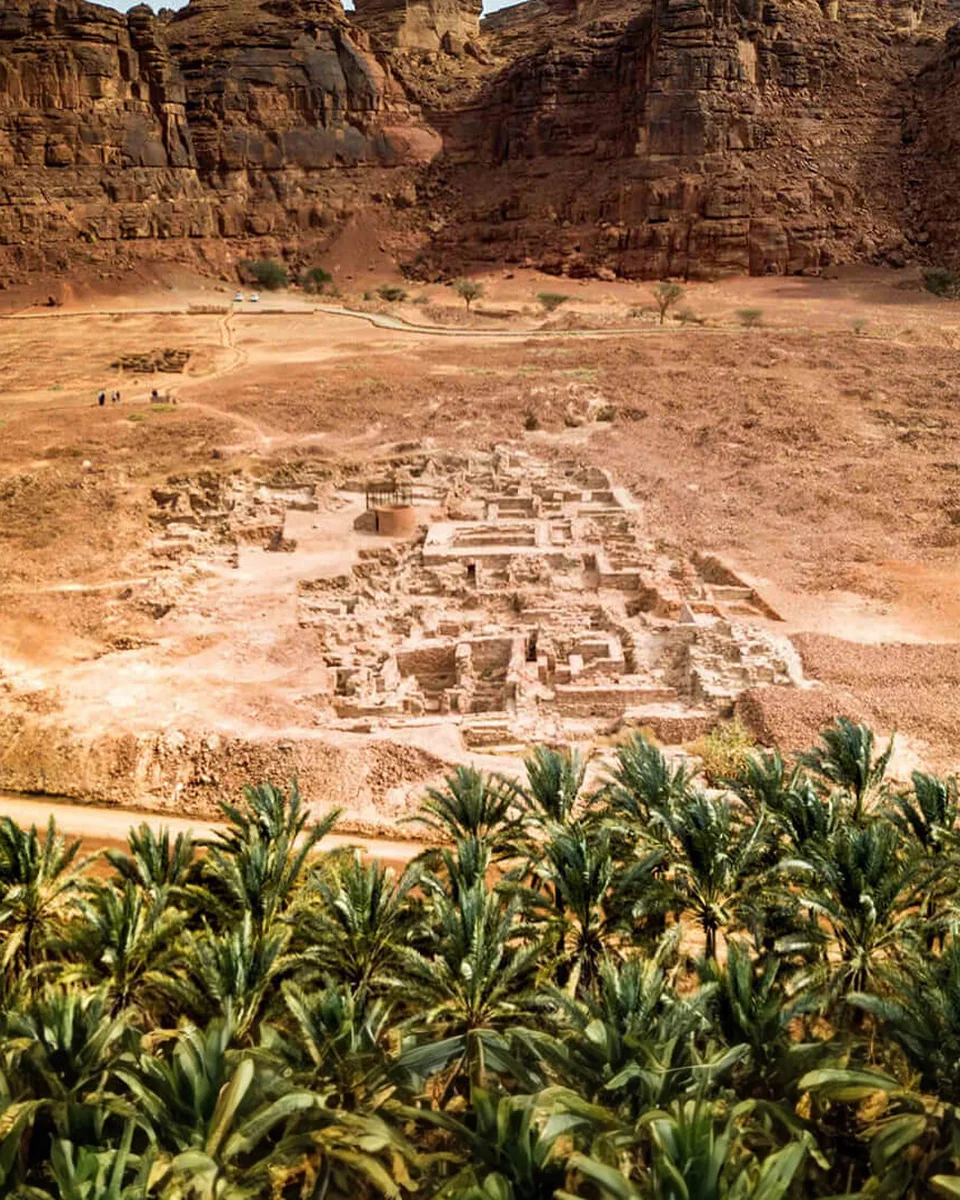
Discover the ancient Arabian kingdoms of Dadan and Lihyan, explore an active archaeological site, see the Lion Tombs and continue to Jabal Ikmah, where names, stories and ancient writing remain carved into the rocks.
Start here
Allow around 2–3 hours including official transfers and check-in; current formats can vary.
Ancient Arabian kingdoms, archaeology, trade, writing and inscriptions across one connected journey.
Official transportation connects Dadan and Jabal Ikmah, with shared and premium formats subject to availability.
Earlier or later in the day is more comfortable in warmer months; winter is flexible.
Local tip: Think of these places as one heritage journey, not two separate stops. The ancient city gives the inscriptions their context; Jabal Ikmah gives the people behind the city a voice.
The ancient kingdom
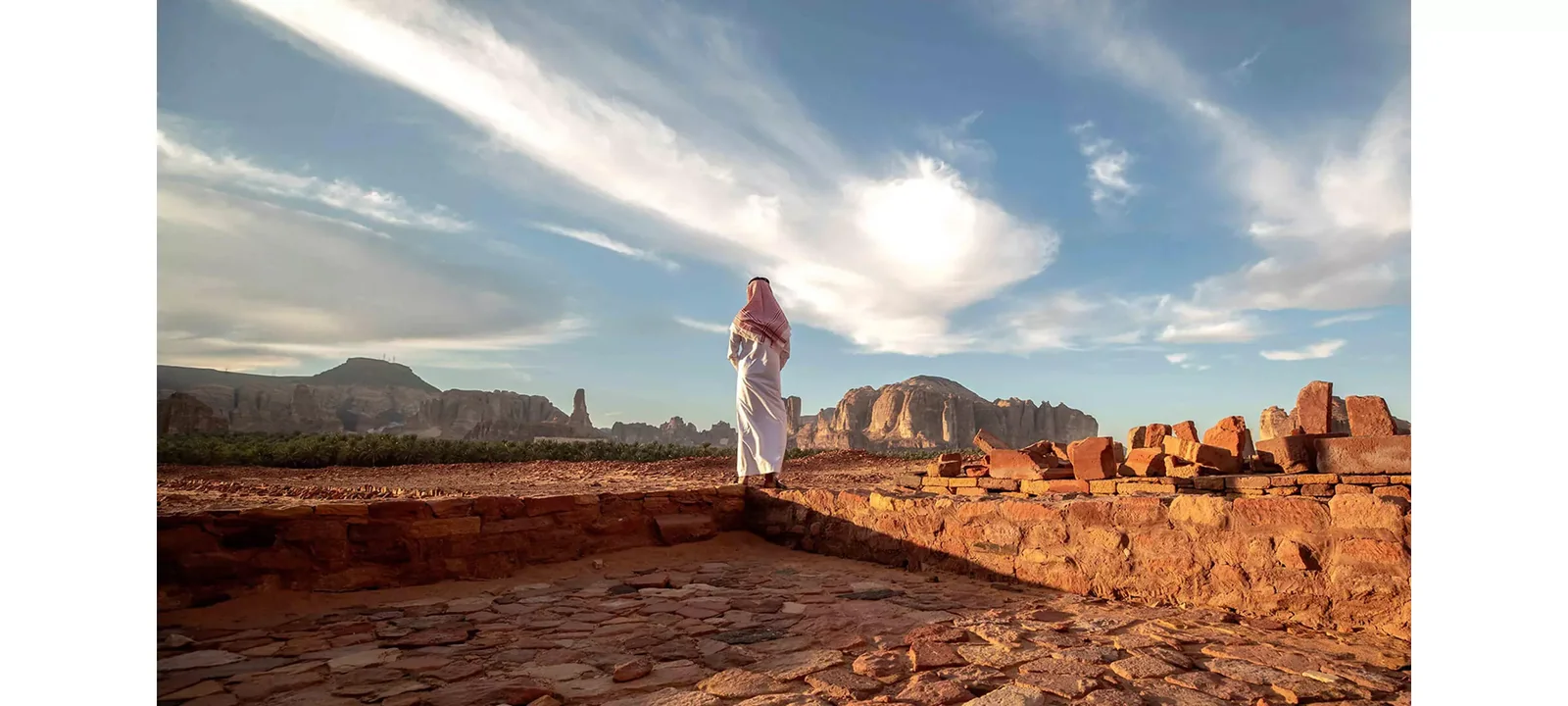
Long before Hegra became a major Nabataean city, the AlUla valley was home to powerful Arabian kingdoms. Dadan developed beside the oasis and was associated first with the Kingdom of Dadan and later with the Kingdom of Lihyan.
Its position on the ancient Incense Road connected people, goods and ideas moving through north-west Arabia. The city’s tombs, inscriptions, objects and ongoing excavation all point to a place shaped by settlement, trade, religious life and skilled craftsmanship.
That is what makes Dadan different from Hegra. The story here begins with an ancient Arabian city and continues at Jabal Ikmah, where the written records left on the sandstone preserve another, unusually personal layer of the valley’s history.
A connected visitor journey
The current experience is best understood as a sequence. You begin with the city and its archaeology, then move toward Jabal Ikmah, where the written voices of people who lived and travelled through AlUla remain on the rock. Official routes and programme details can change.
 01
Begin with context
A typical visit currently begins with the official visitor experience before entering Dadan. Abdullah’s on-the-ground knowledge is that the welcome may include Saudi coffee and dates, followed by an introduction to the ancient kingdoms and the journey ahead.
 02
Meet the people through what they left behind
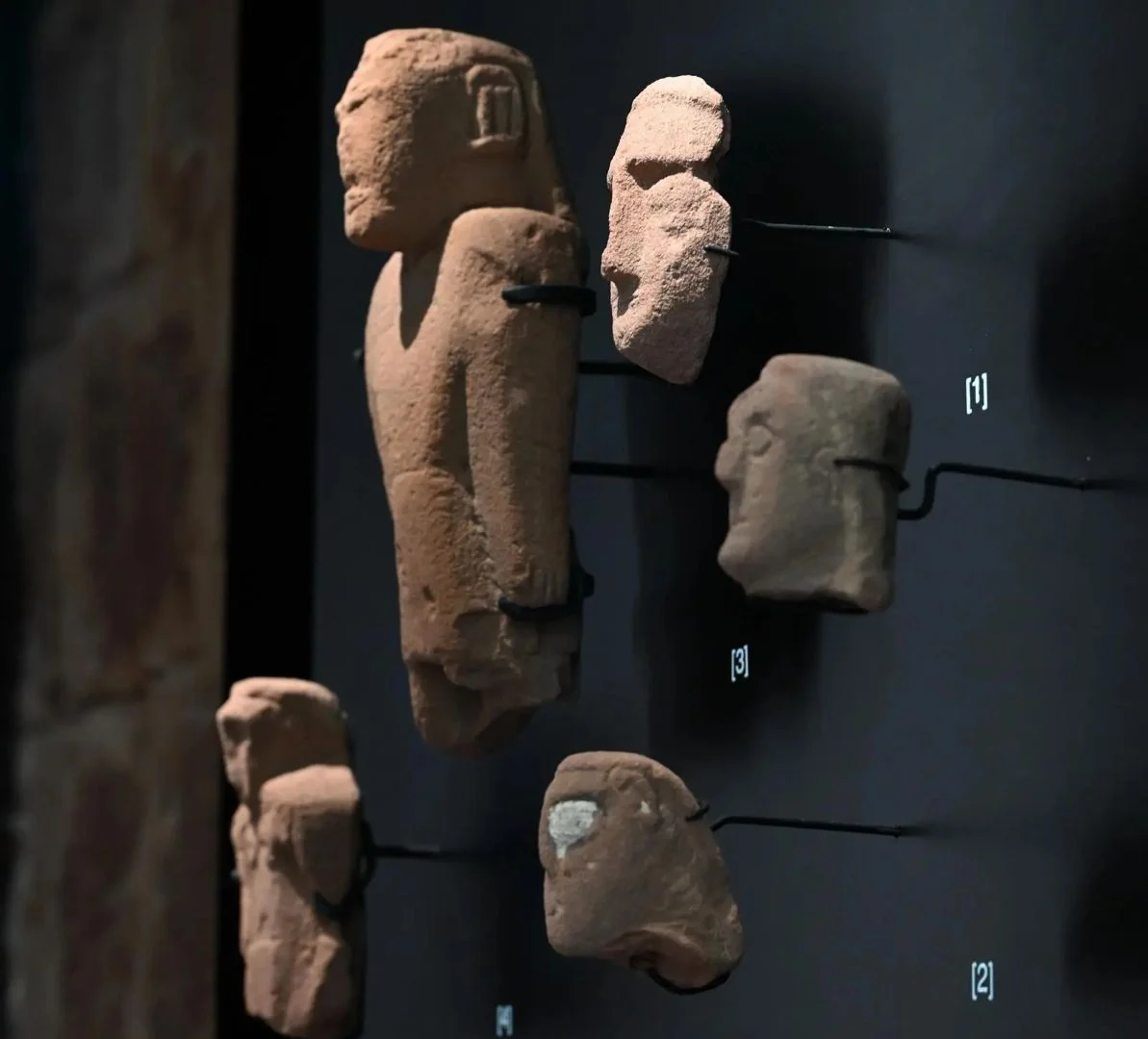
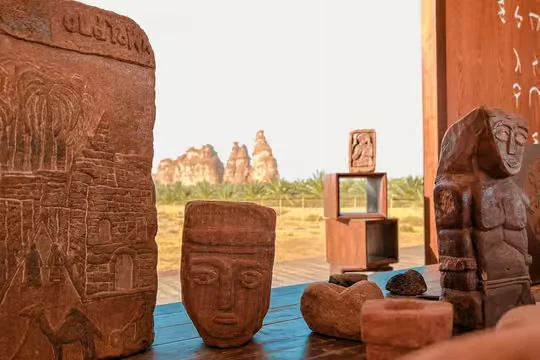
The current experience includes Illuminating Discoveries, an archaeological exhibition with more than 100 artefacts, digital reconstructions and interpretive displays that bring daily life, craft, trade and belief into focus before the landscape outside.
 03
The city is still being understood
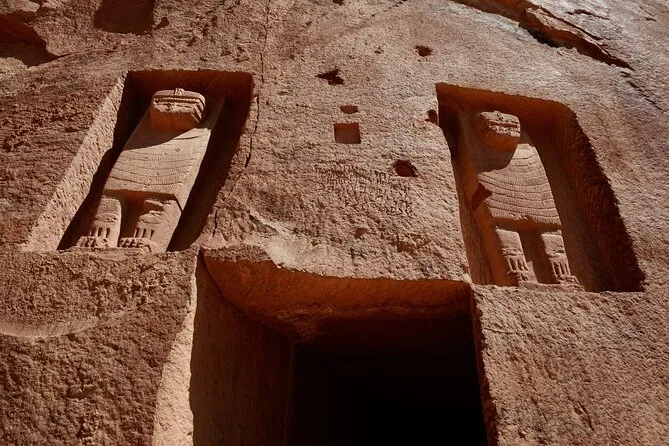
From the official visitor route, the famous Lion Tombs and active archaeological areas reveal Dadan as a city still being studied. The cliffs, tombs and excavations are not a finished reconstruction; they remain part of a living research landscape.
 04
From the city to the written word
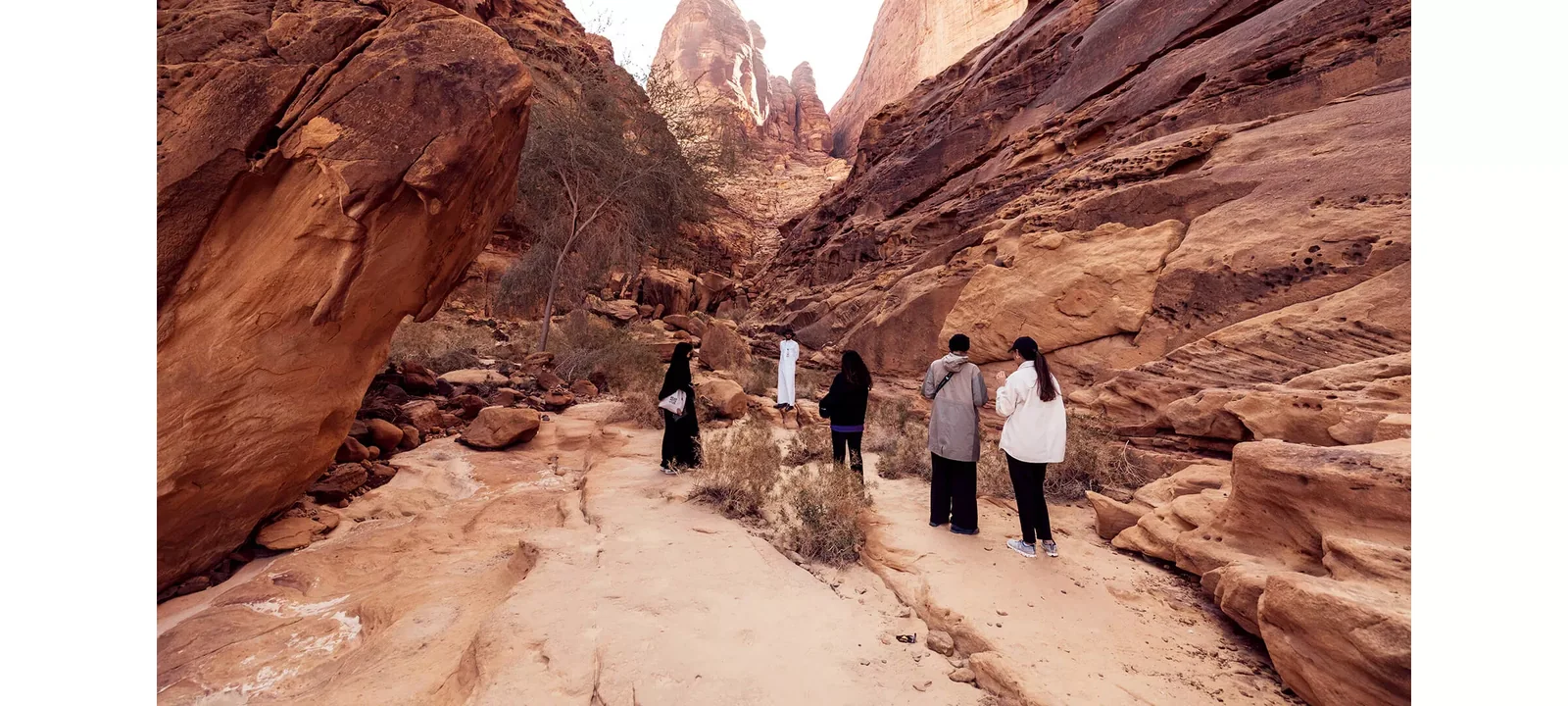
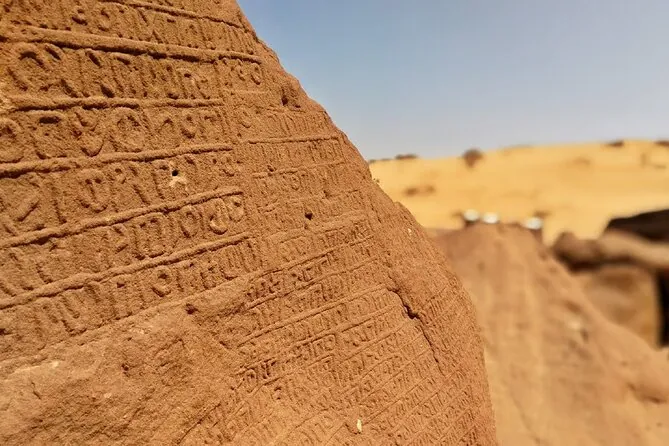
The journey continues into the inscription-filled canyon of Jabal Ikmah. Here, names, prayers, journeys, offerings and symbols carved into the rock make the human voices behind the ancient landscape feel close.
 05
A personal final chapter
According to Abdullah’s current local knowledge, the visitor journey can conclude with a hands-on Dadanitic carving workshop, subject to the day’s programme. Guests may work with a specialist to explore a letter or represent their name in the ancient writing tradition.
Objects before ruins
Before looking across the ancient city, the current experience introduces visitors to objects connected to Dadan and the surrounding archaeological landscape. The Illuminating Discoveries exhibition brings together more than 100 artefacts, digital reconstructions and carefully interpreted displays.
Craft, daily life, exchange and trade, ritual and writing are all part of the story. The objects do not replace the archaeology outside; they make the city easier to imagine as a place where people made, traded, worshipped and recorded their lives.
The exhibition is available as part of the official Dadan & Jabal Ikmah experience. Displays and featured objects can change, so this guide does not promise a particular artefact on every visit.
Dadan’s most recognisable tombs
High in the cliffs above the ancient city, Dadan’s well-known Lion Tombs are named for the seated lion sculptures carved beside their entrances. Official interpretation associates the tombs with elite Dadanite society, possibly royalty.
The lions are often understood as symbols of strength and protection, but archaeology continues to refine the picture. Their place above the city and oasis is part of what makes them so compelling.
Visitors experience the Lion Tombs from the designated official route. This page does not suggest climbing to or entering them.
A living archaeological site
One of the most important things to understand at Dadan is that the story is still unfolding. Ongoing research and excavation are steadily adding to what archaeologists know about the ancient city, its built landscape and the societies associated with it.
Excavation areas reveal that visitors are not simply looking at a finished historical reconstruction. They are seeing a landscape where researchers are still investigating how people lived, organised belief, created art and connected with the wider region.
The exhibition makes this distinction visible too: it brings newly uncovered objects into the visitor journey without claiming that every interpretation is final.
From the city to the written word
At Dadan, archaeology reveals a city, its tombs, its objects and the landscape around them. At Jabal Ikmah, people speak more directly through what they carved into the rock.
Names. Journeys. Religious practices. Family relationships. Offerings. Symbols. Records of everyday life.
This is the transition that makes the combined experience so powerful: it moves from the physical remains of a kingdom to the words and marks left by people who inhabited, visited and remembered this valley.
Jabal Ikmah
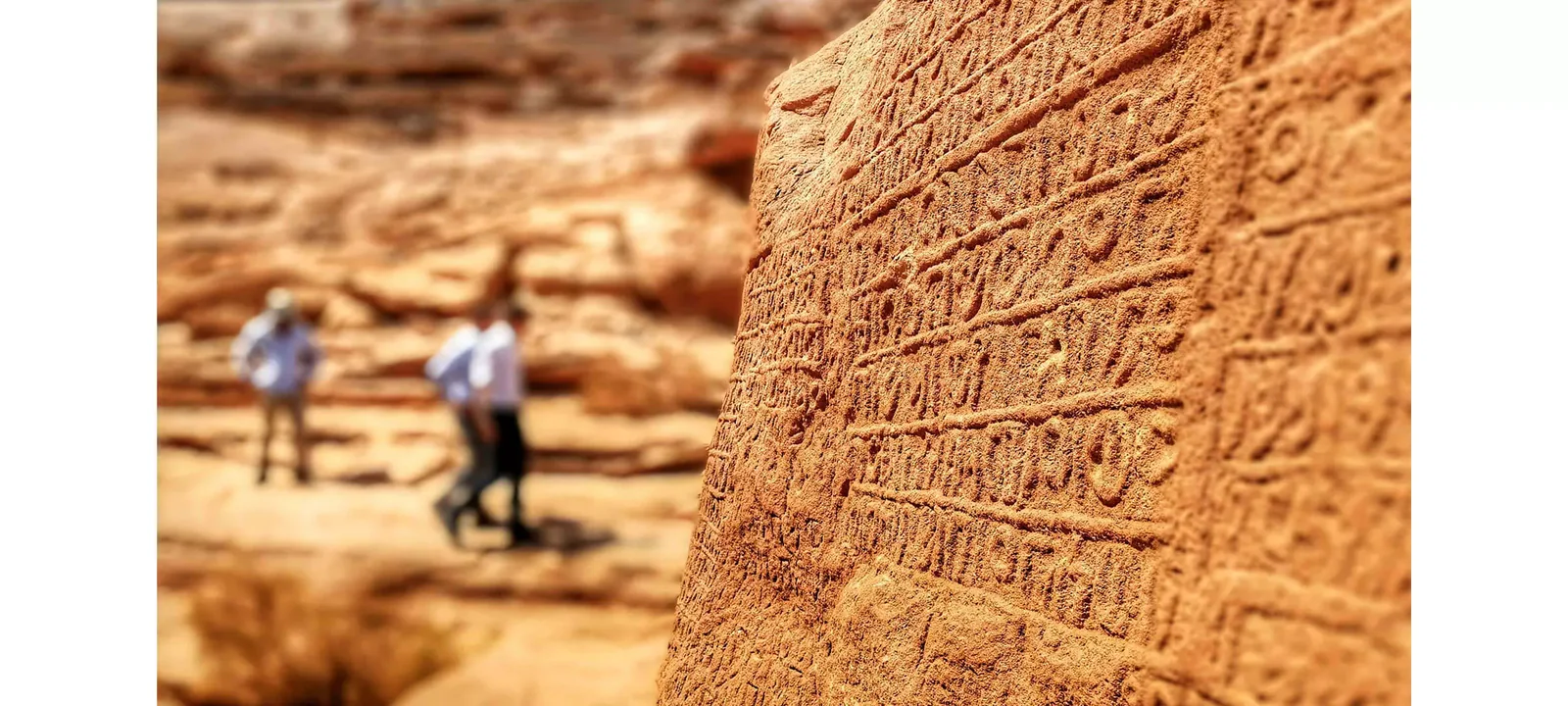
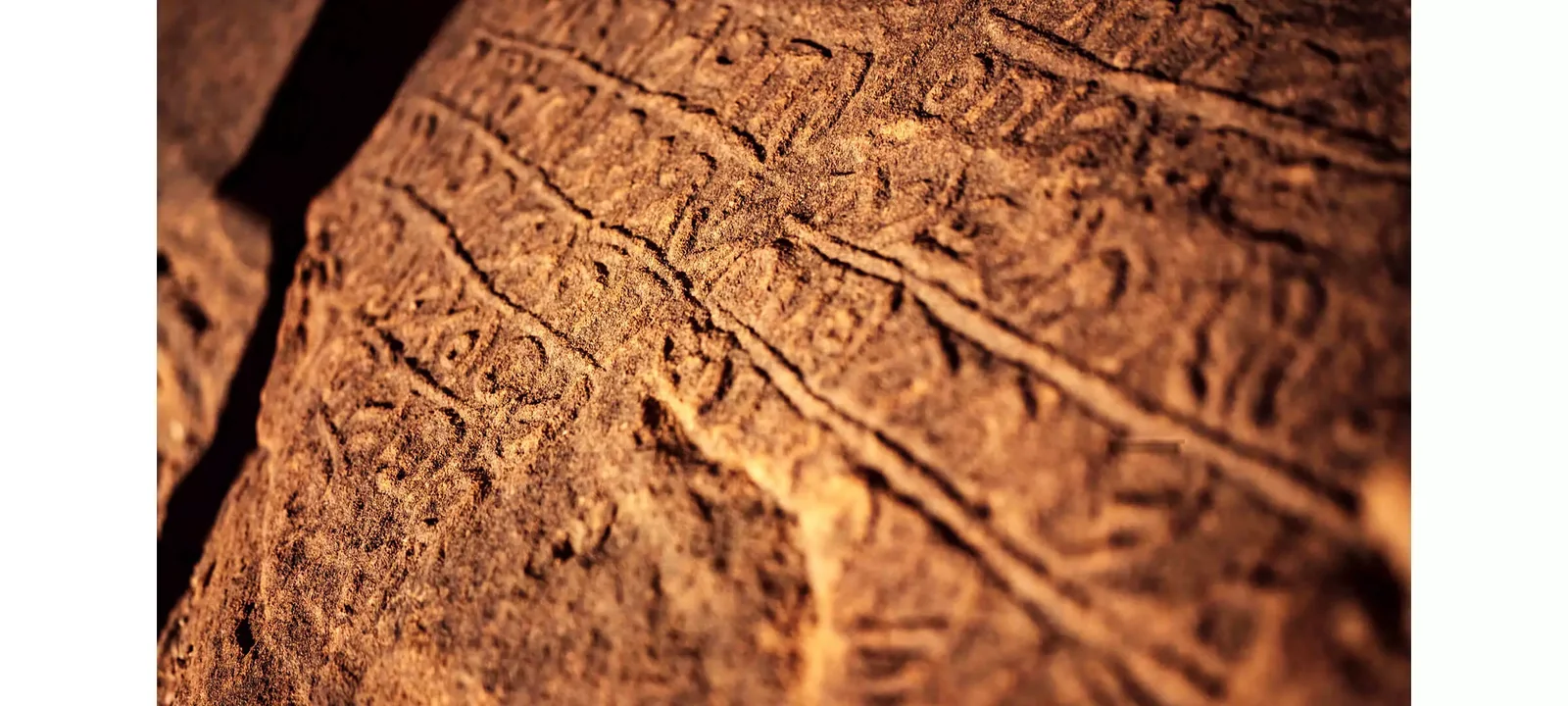
Jabal Ikmah preserves an extraordinary concentration of inscriptions and rock art in a sandstone canyon. It is often described as AlUla’s open-air library because the landscape itself preserves written evidence from the Dadanite and Lihyanite worlds.
UNESCO records nearly 300 valuable inscriptions and petroglyphs here, the world’s largest concentration of well-preserved Dadanitic inscriptions. Their themes include society, religion, rituals, agriculture and memorials.
Rather than learning about ancient people only through excavated objects, visitors encounter words that people deliberately left on the rock. That human connection is what makes Jabal Ikmah exceptional.
Writing, symbols and memory
The Dadanitic alphabet introduced in the visitor interpretation contains 28 letters and is generally read from right to left. That visual direction can feel immediately familiar to modern Arabic readers, even though Dadanitic belongs to a much earlier linguistic world.
Some inscriptions are carefully executed formal texts. Others are smaller personal marks or graffiti. Together they preserve an unexpectedly human record: people identifying themselves, noting relationships, making dedications and leaving evidence of movement through the valley.
Jabal Ikmah is not only about written texts. Rock art adds another layer, showing that people also used the landscape to depict animals and parts of everyday life.
Take part in the story
According to Abdullah’s current local knowledge, the visitor experience can conclude with a hands-on Dadanitic carving workshop. After spending time looking at words carved into the landscape thousands of years ago, guests can choose a letter or work with a craft specialist to represent their own name.
The finished piece can currently be taken home as a personal reminder of the experience. This is a programme detail rather than a permanent guarantee, so confirm the day’s workshop availability when you reserve.
How the visit works
The combined Dadan & Jabal Ikmah experience is managed through the official visitor operation. The historical landscape is the same story; what changes between formats is principally privacy, group size and transportation style.
Shared experience
Best for travelers comfortable exploring with other guests. The official standard format can use a shared coach and Rawi storytelling, while other current formats may use a Heritage Ranger and audio interpretation.
The practical difference: shared transportation and a group setting.
Premium / private experience
Best for couples, families and private parties who value their own group and a more personal transportation environment. Current official premium formats use a private 4x4 and a guide.
The practical difference: greater privacy and private site transportation.
Availability, formats and access can change for operational, weather and conservation reasons. Check the latest details directly with Experience AlUla before booking.
Planning the day
The current standard official experience is listed at 2–3 hours including transfer time, while the premium official format is listed at two hours. In practical itinerary planning, allow enough time for arrival, check-in and the scheduled route you have reserved.
During warmer months, early morning or later in the day is usually more comfortable. In the cooler season, Dadan and Jabal Ikmah can work well throughout much of the day, leaving sunset free for a natural landscape such as Elephant Rock or Harrat Viewpoint.
Plan for
Use this as a planning guide rather than a guarantee. The route, meeting point and official programme can vary by experience and season.
For families & older travelers
Official transportation connects the principal areas. For particular mobility needs, confirm the current requirements directly; the official operator currently notes that the experience is not suitable for wheelchairs or strollers.
What to bring
The route is not designed as a strenuous hike, but it is an open archaeological landscape. Sun protection and comfortable footwear make a real difference, especially in warmer months.
Hegra and Dadan
Dadan & Jabal Ikmah
Ancient Arabian kingdoms, oasis society, Lion Tombs, archaeology, sculpture, Dadanitic writing and inscriptions.
Hegra
A Nabataean city with monumental rock-cut tombs, long-distance trade connections and a dramatic funerary landscape.
These sites are not substitutes for one another. Together they show how different societies shaped the AlUla valley across different periods.
Read the Hegra guide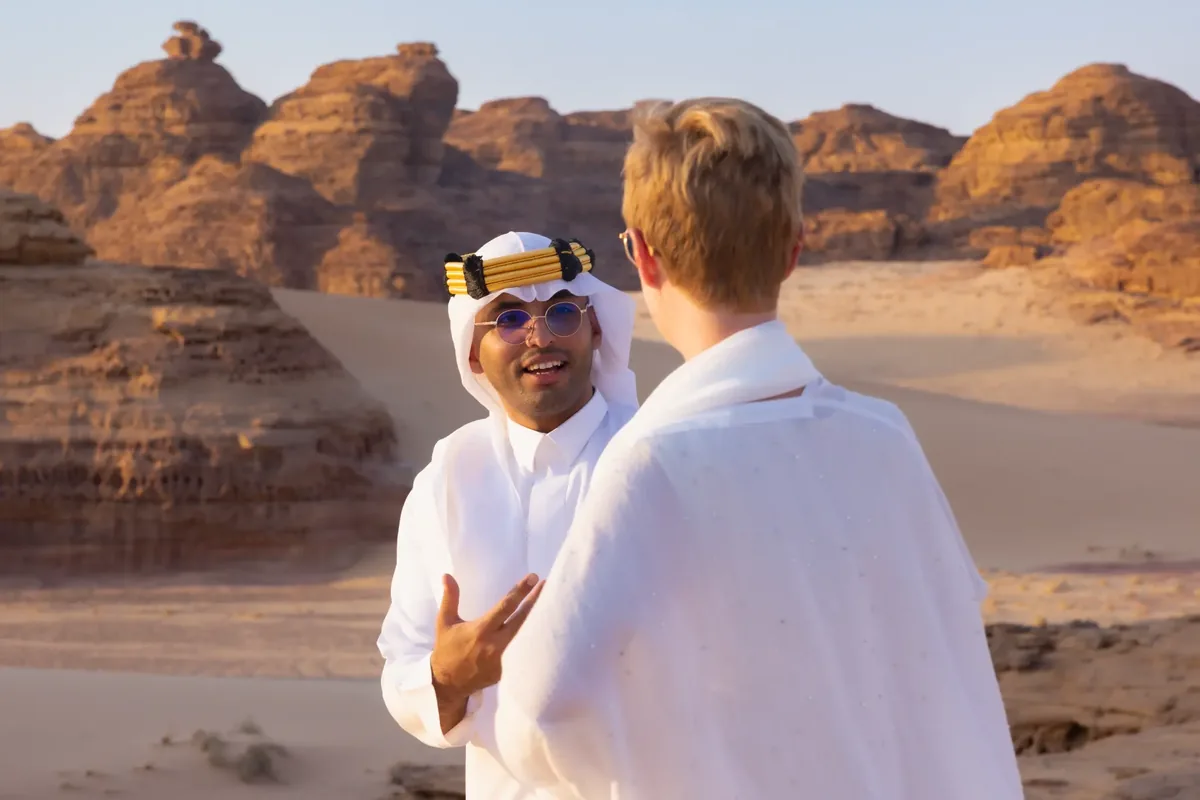
A local guide’s perspective
“When I guide visitors through Dadan and Jabal Ikmah, I want them to understand that AlUla was not simply a place people passed through. It was home to powerful Arabian kingdoms, active trade, skilled craftsmanship and a sophisticated culture of writing. In Dadan, you see the city, its tombs, objects and archaeological remains. At Jabal Ikmah, you begin to hear the people themselves through the names, stories and records they carved into the rock. Together, the two places show how rich and advanced life in ancient AlUla really was.”
What visitors often miss
01
Dadan was not simply an archaeological monument. It was an active oasis city shaped by trade, agriculture, religion and regional connections.
02
The inscriptions are not decorative marks. They preserve names, relationships, religious activity and records left by people thousands of years ago.
03
Research and excavation continue to add new information about the city and the kingdoms associated with it. Interpretation should stay open to new evidence.
04
Objects, inscriptions and the current hands-on workshop allow visitors to move from observing ancient history to engaging with its writing tradition.
Build the wider journey
For travelers with two days in AlUla, Dadan & Jabal Ikmah can become the heritage core of a second day, paired thoughtfully with the Oasis, Maraya or a viewpoint. The exact order should follow official reservations, the season and your interests.
A first full day
Start with Hegra, then let Old Town and Elephant Rock show different sides of the valley.
A second full day
Use Dadan & Jabal Ikmah as the central heritage experience, then pair it with AlUla Oasis, Maraya or Harrat Viewpoint as time and reservations allow.
Explore a two-day private journeyExplore with a local guide
Dadan becomes even more meaningful alongside Hegra, the Oasis, Old Town and the other places that shaped the valley. Abdullah personally leads private journeys through AlUla and helps guests connect them into one coherent experience around their interests, pace and available time.
Official archaeological interpretation inside Dadan and Jabal Ikmah remains led according to site visitor procedures, while Abdullah organizes and connects the wider private journey.
Practical answers
The essential answers are open and readable for travelers and search engines. For live access, timing and current programme details, confirm directly with the official operator.
The combined visitor experience is commonly planned for around two to three hours, including site transportation. Allow additional time for arrival, check-in and any transfer to the official meeting point. Current formats and timings can change, so confirm them when reserving.
Yes. The current official visitor experience connects Dadan and Jabal Ikmah as one journey, letting visitors encounter the archaeological city before continuing to the inscriptions landscape.
A typical current visit includes the archaeological introduction and Illuminating Discoveries exhibition, the Lion Tombs from the official route, excavation areas and wider remains connected to the ancient city.
They are among Dadan’s most recognisable tombs, named for seated lion sculptures carved beside their entrances. Official interpretation associates them with elite Dadanite society; the precise meanings of every feature remain part of archaeological study.
The Lion Tombs are experienced from the official visitor route according to current archaeological and conservation procedures. Do not assume entry is available.
Jabal Ikmah is known for its exceptional concentration of ancient inscriptions and rock art. UNESCO describes its epigraphs and petroglyphs as the world’s largest concentration of well-preserved Dadanitic inscriptions.
Its rock faces preserve nearly 300 documented inscriptions and petroglyphs that record themes including society, religion, rituals, agriculture and memorials. These written records give visitors a direct connection to people from the Dadanite and Lihyanite periods.
The current visitor interpretation presents the Dadanitic alphabet as a 28-letter writing system. It should not simply be described as ‘old Arabic’: it belongs to a much earlier linguistic and cultural world in north-west Arabia.
Abdullah’s current local knowledge is that the visitor programme can include a hands-on Dadanitic carving workshop, where guests work with a specialist to explore a letter or represent their name. Workshop details are subject to the current programme.
Under the current workshop experience described to Abdullah, guests can take their finished piece as a keepsake. Because workshops can change, confirm the day’s inclusion when you reserve.
Experience AlUla welcomes all ages, and official transport connects the principal areas. Travelers with specific mobility requirements should confirm current access directly before visiting; the official experience currently notes that it is not suitable for wheelchairs or strollers.
Yes. Hegra and Dadan tell different chapters of AlUla. Hegra is the monumental Nabataean city, while Dadan and Jabal Ikmah illuminate earlier Arabian kingdoms, trade, objects, archaeology and a remarkable culture of writing.
During warmer months, early morning or later in the day is usually more comfortable. In AlUla’s cooler season, the experience can often work well throughout much of the day.
Official experiences may offer a shared coach-based format and a premium private-vehicle format, subject to availability. The historical story remains connected; the main difference is privacy, group size and transportation style. Confirm the latest official options before booking.
Start with a conversation
Share your travel dates, number of guests and how long you will be staying in AlUla. Abdullah can help shape the wider experience around your available time.
Plan Your AlUla Journey